


Table of Contents
Introduction
The future of transportation is an exciting and rapidly evolving field, with autonomous cars, also known as self-driving cars, leading the way in transforming the way we move around. Autonomous cars are vehicles that can sense their environment and navigate without human input. The technology has the potential to revolutionize the transportation industry, making it safer, more efficient and more accessible.
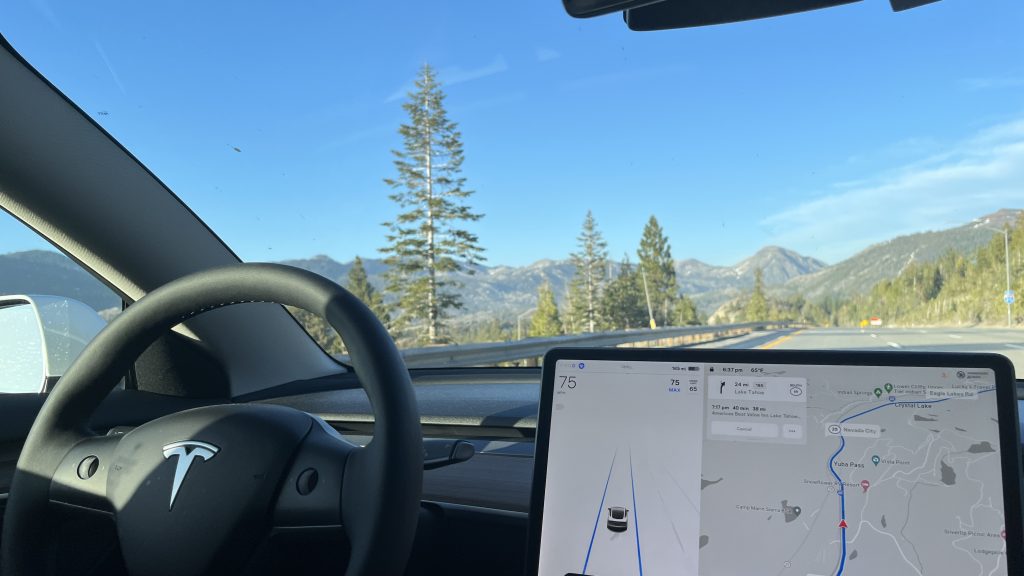
Advancements in Technology Driving the Development of Autonomous Cars
The development of autonomous cars is driven by advances in artificial intelligence, sensors and other technologies. These cars use sensors such as cameras, radar and lidar to detect objects in their environment and navigate accordingly. This technology allows the car to make decisions about its route, such as avoiding obstacles and selecting the most efficient route. In addition, the car can communicate with other autonomous cars, allowing for the coordination of traffic flows.
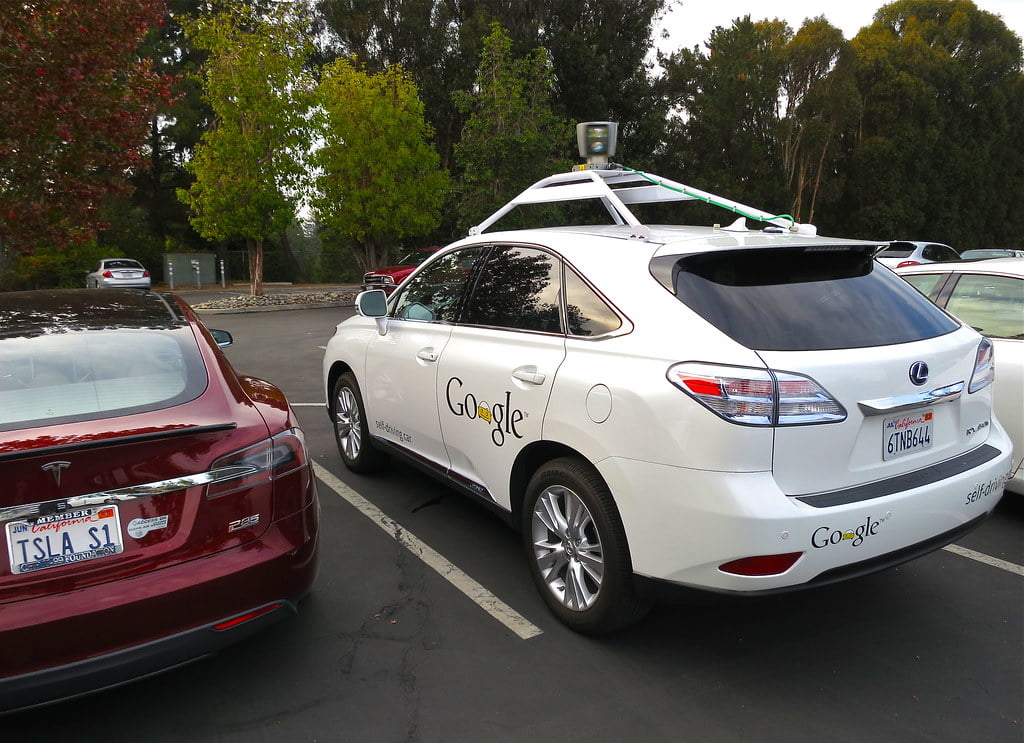
The Benefits of Autonomous Cars
The benefits of autonomous cars are numerous. First, they can significantly reduce the number of accidents on the roads as they are not affected by human error or fatigue. This technology can also reduce traffic congestion as the cars can coordinate with each other to avoid traffic jams. Finally, autonomous cars can improve accessibility for those who have difficulty driving such as the elderly and people with disabilities.
Challenges in Developing Autonomous Cars
Despite the numerous benefits, the development of autonomous cars is still in its early stages, and there are still many challenges to be addressed. For example, cars must be able to detect and respond to unexpected events such as pedestrians, animals and other objects. In addition, the cars must be able to learn and adapt to changing environments. Finally, the cost of developing and deploying autonomous cars must be reduced in order for the technology to become widely available.
Autonomous Cars Becoming a Reality
Despite the challenges, autonomous cars are quickly becoming a reality. Companies such as Tesla, Waymo, and Uber are investing heavily in the development of autonomous vehicles. In addition, governments around the world are investing in the development of autonomous cars, recognizing the potential benefits of the technology.

Conclusion
The future of transportation is autonomous, and the possibilities are exciting. The technology is not only aimed to improve the daily lives of people but it will also reduce the environmental impact by reducing the number of cars on the road. It will also create new jobs and business opportunities in the field of AI, sensors, and other technologies. Furthermore, the use of autonomous cars will make the roads safer for everyone, and improve accessibility for many. It is a future worth investing in and looking forward to.
In conclusion, the development of autonomous cars is a promising step toward a better transportation system, with safer, more efficient and more accessible options for people. Technology is quickly becoming a reality, with companies and governments investing heavily in its development. Despite the challenges, the future of transportation is autonomous, and the possibilities are exciting.
